
Changing conditions, equipment inspections, worker preparedness and incident response in British Columbia.
October is more than the beginning of colder weather in British Columbia. For employers operating in construction, excavation, drilling, transportation, forestry and industrial services, it is an important opportunity to reassess workplace hazards, review safety procedures and prepare workers for changing conditions.
Across the province, shorter daylight hours, increased rainfall, colder temperatures and changing ground conditions can introduce hazards that may not have been present during the summer months.
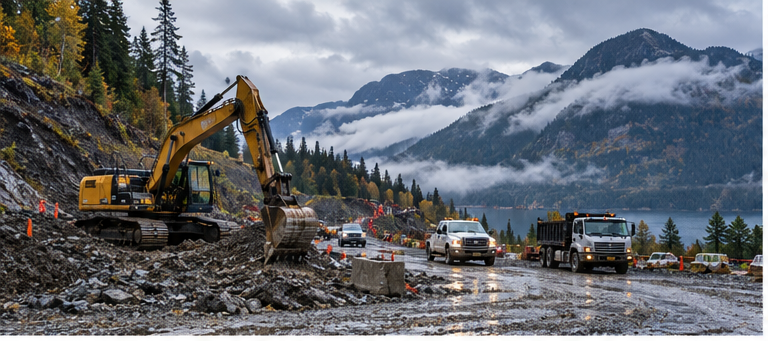
A familiar access road becomes slippery. An excavation begins collecting water. Equipment visibility is reduced by fog. Workers arrive before sunrise or finish their shifts after dark.
Individually, these changes may seem manageable. Combined with demanding schedules, equipment deficiencies, incomplete inspections or outdated hazard assessments, they can increase the likelihood of workplace incidents.
And while seasonal conditions deserve attention, there is a much larger question employers should be asking:
Is our health and safety program actually being implemented in the field, or does it only exist on paper?
The weeks leading into winter provide an opportunity to identify weaknesses, reinforce expectations and ensure employees understand both how to prevent incidents and what to do when one occurs.
1. October Is the Time to Prepare, Not React
One of the most common challenges with seasonal safety planning is waiting until hazardous conditions have already arrived.
A crew encounters unexpected frost, and only then does the company review its winter driving procedures. Heavy rainfall creates unstable access conditions, and only then are drainage and ground stability reassessed.
Effective safety management takes a more proactive approach.
Before conditions deteriorate, employers should consider how seasonal changes could affect their operations, equipment, workers and emergency response capabilities.
Seasonal Hazards to Consider
- Increased rainfall, standing water and reduced traction.
- Frost, ice and snow at higher elevations or in northern regions.
- Reduced daylight and visibility during early or late shifts.
- Changing soil stability, excavation conditions and drainage.
- Cold exposure, wet clothing and inadequate warming facilities.
- Vehicle access and emergency response limitations at remote worksites.
- Changes to equipment performance and maintenance requirements.
These hazards vary by region, industry and individual worksite. A coastal construction project experiencing prolonged rainfall may require very different controls from a drilling operation working at elevation.
The goal is not to apply the same seasonal checklist everywhere. It is to recognize how changing conditions affect the specific work being performed.
2. Your HSE Program Cannot Just Sit in a Binder
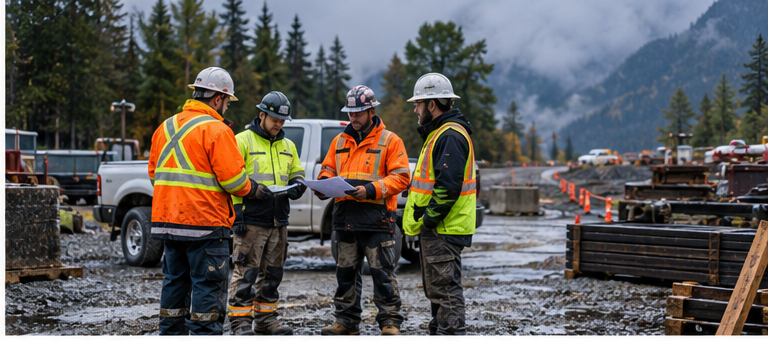
Having a written health, safety and environmental (HSE) program is an important foundation. However, a program only becomes effective when its procedures are understood, communicated, implemented and consistently followed.
A company may have written policies covering equipment inspections, hazard assessments, personal protective equipment, incident reporting and emergency response.
But if employees are unfamiliar with those procedures, or supervisors are not verifying that they are followed, the organization may have significant gaps between documented expectations and actual field practices.
Employers should take the opportunity to review applicable procedures with their teams and confirm that workers understand their responsibilities.
Practical Steps for Supervisors
- Conduct toolbox talks addressing seasonal hazards specific to the worksite.
- Review safe work procedures for high-risk or weather-sensitive activities.
- Confirm employees understand stop-work expectations and how to report unsafe conditions.
- Verify workers have the training, instruction and supervision required for their tasks.
- Ensure new and returning workers understand current site requirements.
- Review emergency procedures and seasonal changes.
- Document safety meetings, training and corrective actions appropriately.
Safety meetings should encourage participation rather than simply repeat familiar information.
Instead of asking whether employees understand the winter safety procedures, supervisors can ask:
What has changed at our worksite this week, and what do we need to do differently to work safely?
That conversation can reveal hazards that may otherwise go unnoticed.
3. Vehicle and Equipment Inspections Are Non-Negotiable
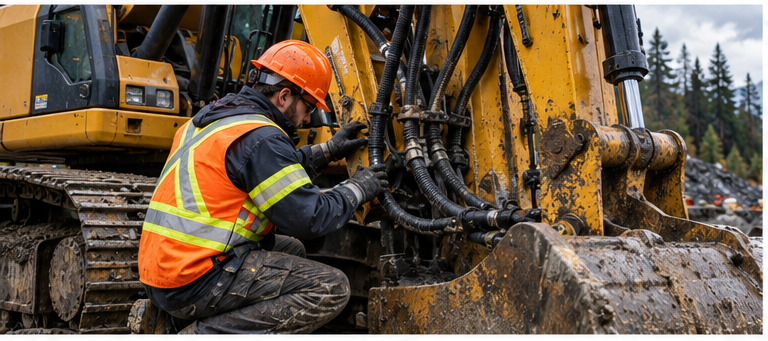
Heavy equipment, commercial vehicles and specialized machinery are essential to many BC industries. They can also present significant risks when inspection and maintenance procedures are not properly implemented.
Changing seasonal conditions can expose deficiencies that were less apparent during warmer, drier months.
Equipment Inspection Considerations
Depending on the equipment and manufacturer’s requirements, inspections may include:
- Tires, tracks, traction systems and undercarriage condition.
- Brakes, steering and other critical operating systems.
- Headlights, work lights, warning lights and reflective markings.
- Windshield wipers, defrosting systems and operator visibility.
- Hydraulic hoses, connections, fluid levels and potential leaks.
- Safety guards, emergency stops and protective devices.
- Access ladders, steps, handrails and slip-resistant surfaces.
- Fire extinguishers, emergency supplies and required safety equipment.
Commercial vehicles may also be subject to specific inspection, maintenance and winter tire or chain requirements depending on their classification and operating routes.
An inspection is only useful when identified deficiencies are reported, assessed and corrected.
Completing a checklist does not automatically make equipment safe. Workers must know how to report defects, supervisors must understand how to assess them, and equipment that cannot be operated safely must be removed from service until necessary corrective action is completed.
4. Yesterday’s Hazard Assessment May Not Apply Today
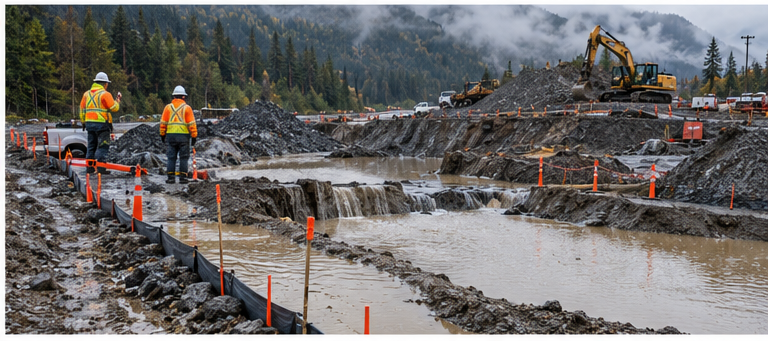
One of the most important principles of workplace safety is recognizing that conditions change.
A task performed safely yesterday may involve different hazards today.
An excavation that was stable during dry weather may require reassessment following heavy rainfall. A work area with adequate visibility during summer may need additional lighting during October’s shorter days.
Even the movement of equipment, arrival of another contractor or change in crew composition can affect the safety of a task.
What Should Workers Reassess?
- Have weather or ground conditions changed?
- Are access and exit routes still safe?
- Is additional lighting or traffic control required?
- Have new equipment, workers or contractors entered the area?
- Are excavation, lifting or equipment operating conditions different?
- Have new hazards been reported?
- Are existing controls still effective?
Where new hazards are identified, appropriate controls must be established and communicated before affected work proceeds.
A hazard assessment should be a meaningful part of planning the job, not just another form to complete.
5. Are Your Workers Prepared to Recognize and Report an Incident?
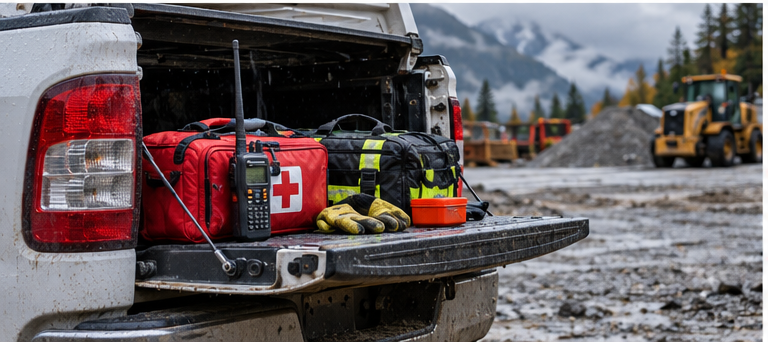
Preventing incidents is always the priority. However, even organizations with established safety systems must be prepared to respond when an incident occurs.
That preparation begins long before anyone is injured.
Workers should understand how to recognize and report incidents, near misses and unsafe conditions. Supervisors should know who to contact, what immediate actions are required and how to ensure information is documented.
Emergency procedures should reflect the actual worksite. A response plan for an office environment may look very different from one for a remote drilling operation or excavation project.
Emergency Preparedness Questions
- Do workers know how to obtain first aid and emergency medical assistance?
- Does everyone understand who must be contacted following an incident?
- Can affected operations be stopped safely?
- Do workers know how to protect others from ongoing hazards?
- Are incident and near-miss reporting procedures understood?
- Are emergency contacts and procedures accessible?
- Are responsibilities for regulatory notifications and investigations assigned?
An emergency is not the time to discover that nobody knows who is responsible for making the necessary calls.
6. When an Incident Happens, Your Response Matters
When a workplace incident occurs, the immediate priority is protecting people and preventing further harm.
Once urgent safety and medical needs are addressed, employers must determine their reporting, scene preservation, investigation and documentation obligations.
In British Columbia, the WorkSafeBC incident reporting guidance explains when certain serious incidents require immediate notification.
These obligations are separate from reporting injuries for compensation claims. An employer may also be required to report a worker’s injury or illness through the applicable claims process.
Under section 69 of the Workers Compensation Act, employers must investigate specified incidents, including certain incidents involving injury or the potential for serious injury.
For incidents subject to these investigation requirements, the preliminary investigation report must generally be completed within 48 hours, and the full investigation report must be submitted within 30 days, subject to applicable legal provisions and extensions.
A Structured Incident Response Should Address
Immediate safety and medical assistance: Ensure injured workers receive appropriate help, prevent further exposure to hazards and contact emergency services when required.
Notification and reporting: Determine whether immediate notification to WorkSafeBC is required and complete any separate injury reporting obligations.
Scene preservation: Preserve the incident scene when legally required, subject to permitted actions such as helping injured workers, preventing further injury or protecting endangered property.
Evidence and documentation: Record relevant information, including witness accounts, site conditions, equipment details, photographs and available inspection records.
Investigation: Determine causes and contributing factors, including equipment, procedures, training, supervision, environmental conditions and organizational systems.
Corrective actions: Identify appropriate controls, assign responsibility, implement necessary changes and verify their effectiveness.
For official requirements, review WorkSafeBC’s Conducting an Employer Investigation guidance.
The purpose of an effective investigation is not simply to complete paperwork.
It is to understand what happened, identify why it happened and reduce the likelihood of a similar incident occurring again.
7. Documentation Is Part of Your Protection
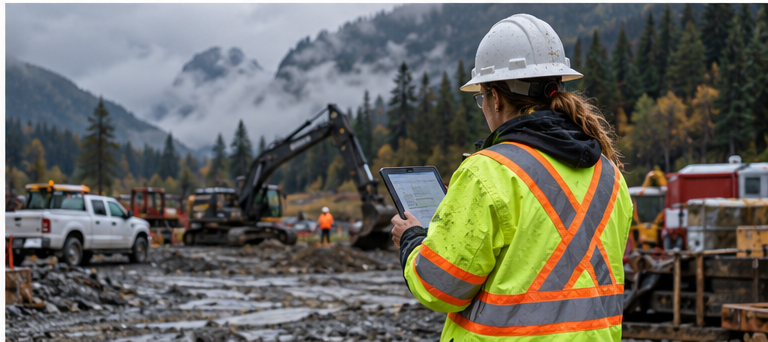
Proper safety documentation is sometimes viewed as an administrative burden. In reality, accurate and consistently maintained records are an essential part of an effective HSE management system.
When an incident occurs, employers may need to demonstrate what procedures were established, what training was provided, whether equipment was inspected, what hazards were identified and how corrective actions were addressed.
Important HSE Records
- Worker orientation and training records.
- Equipment inspections and maintenance reports.
- Site-specific hazard assessments.
- Toolbox talks and safety meeting records.
- Safe work procedures and applicable job safety plans.
- Incident and near-miss reports.
- Investigation documentation.
- Corrective-action records and verification of completion.
These records can help organizations identify patterns, demonstrate the steps they have taken and support effective investigations.
However, documentation alone does not establish that work was performed safely or that every legal obligation was satisfied.
The objective is to maintain records that support real safety practices, not create paperwork that only appears to demonstrate compliance.
Digital HSE management systems can help organizations centralize information, monitor outstanding corrective actions and improve access to documentation across multiple crews or worksites.
8. Your October Workplace Safety Readiness Checklist
Before colder and wetter conditions become more challenging, employers should review their organization’s preparedness.
- Worksite conditions: Have changing weather, lighting, ground stability, access routes and seasonal hazards been assessed?
- Vehicles and equipment: Are inspections current, maintenance requirements being followed and deficiencies being corrected?
- Worker preparedness: Have employees received necessary instruction, training and supervision?
- HSE procedures: Have safe work procedures, hazard assessments and emergency plans been reviewed?
- Incident response: Do workers and supervisors understand reporting requirements and investigation responsibilities?
- Documentation: Are inspection records, training records and corrective actions accurate and accessible?
- Follow-up: Have outstanding deficiencies been assigned and tracked through completion?
These questions provide a starting point. Employers should tailor seasonal reviews to their specific operations and applicable regulatory requirements.
Free October HSE Readiness Checklist
Prepare your workplace for changing seasonal conditions with SCC Consulting’s printable October HSE Readiness Checklist.
Our free resource helps employers and supervisors review seasonal hazards, equipment inspections, worker preparedness, emergency procedures, documentation and corrective-action tracking.
↓ Download Free HSE Checklist (PDF)
Free printable resource | SCC Consulting | October 2026
9. How SCC Consulting Can Help
Preparing for seasonal changes involves more than updating a checklist.
It requires reviewing how an organization’s safety systems are implemented, whether workers understand their responsibilities and whether procedures remain effective as conditions evolve.
At SCC Consulting, we help organizations develop, review and improve practical health and safety management systems.
Our services can support employers with:
- Health and safety program development and review.
- Safe work policies and procedures.
- Hazard assessment processes.
- Workplace safety documentation and recordkeeping.
- Incident investigation support.
- Corrective-action management.
- Digital HSE system implementation.
Whether your organization operates in construction, drilling, industrial services or another high-risk environment, clear procedures and organized documentation can make a meaningful difference in everyday operations and incident preparedness.
Don’t Wait Until Something Goes Wrong
The worst time to discover a gap in your safety program is after an incident has already occurred.
October provides an opportunity to identify those gaps, prepare your workers, inspect your equipment and ensure your organization knows how to respond when conditions change or something goes wrong.
Safety isn’t just about preventing incidents. It’s about being prepared, accountable and ready to respond.
Need assistance reviewing your HSE program or preparing for changing workplace conditions?
Regulatory note: This article provides general workplace safety information and does not replace the Workers Compensation Act, Occupational Health and Safety Regulation, or advice specific to an employer’s circumstances. Always consult current WorkSafeBC requirements.