
Author: Sequoia
-
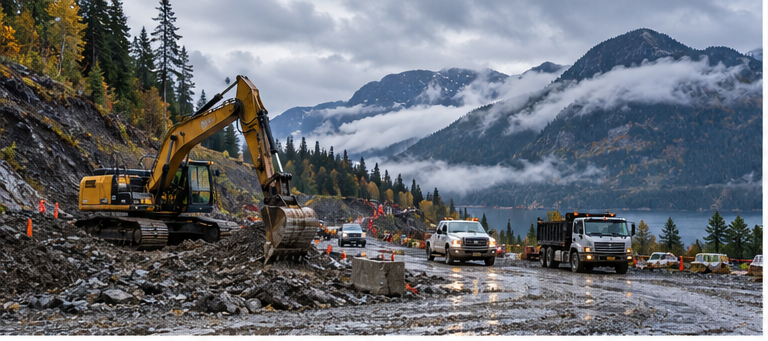
Before the First Frost: Why October Is the Time to Strengthen Your Workplace Safety Program
Changing conditions, equipment inspections, worker preparedness and incident response in British Columbia. October is more than the beginning of colder weather in British Columbia. For employers operating in construction, excavation, drilling, transportation, forestry and industrial services, it is an important opportunity to reassess workplace hazards, review safety procedures and prepare workers for changing conditions. Across…
-

When “Business as Usual” Becomes a Safety Risk: Complacency, Fatigue & Burnout in the Workplace
There is a certain level of comfort that comes with experience. A worker who has performed the same task hundreds of times knows the equipment, understands the process, and can often recognize problems before they happen. That experience is incredibly valuable. But familiarity can also create risk. When a task becomes routine, it becomes easier…
-

Is Your Safety Program Keeping Up? 7 Signs It’s Time for a Review
A workplace safety program should never be treated as a document that is created once, placed on a shelf, and forgotten. Businesses change. New employees are hired, equipment is replaced, work processes evolve, and companies take on different types of projects. When the workplace changes but the safety program stays the same, gaps can begin…
-
The Hidden Cost of Delayed Hazard Reporting (And How to Fix It)
Every workplace hazard that goes unreported represents a missed opportunity to prevent an injury, equipment damage, or even a serious incident. Whether it is a loose handrail, damaged extension cord, leaking hydraulic hose, or unsafe work practice, small hazards rarely stay small for long. When hazard reporting is delayed—or does not happen at all—the consequences…
-
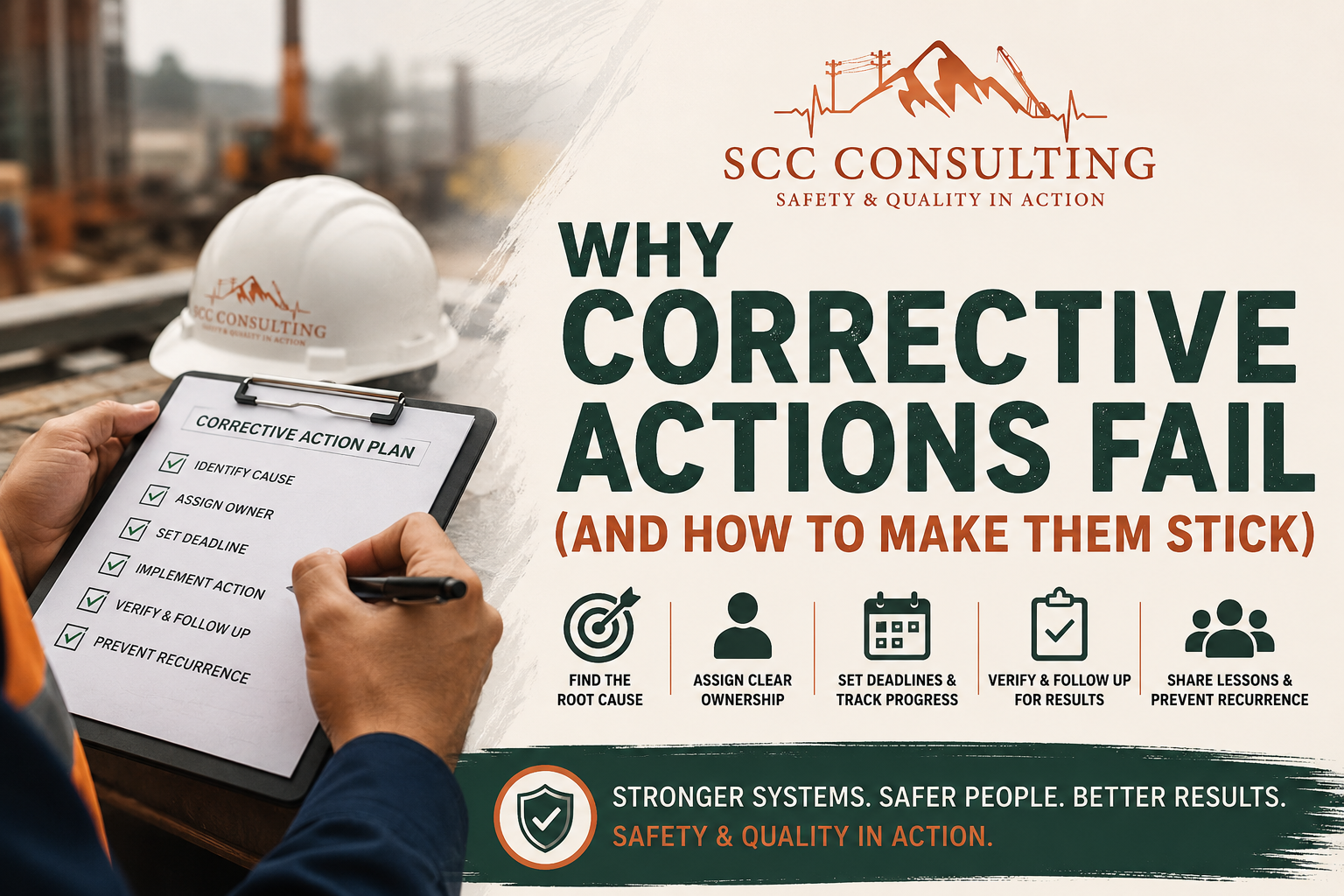
Why Corrective Actions Fail (And How to Make Them Stick)
Corrective actions are meant to prevent problems from happening again—but too often, they become paperwork exercises instead of meaningful safety improvements. Corrective actions are one of the most important tools in any health, safety, and environmental (HSE) management system. Whether they originate from an incident investigation, workplace inspection, hazard report, audit finding, or near-miss event,…
-

The Real Cost of Paper-Based Safety Systems
Many organizations in construction, mining, drilling, and industrial sectors still rely on paper forms, binders, spreadsheets, and manual processes to manage workplace safety. At first glance, paper-based safety systems may seem like the most cost-effective option. However, the true cost often extends far beyond printing and storage expenses. Lost productivity, delayed reporting, compliance risks, administrative…
-
5 Signs Your Safety System Is Still Too Paper-Dependent
Paper-based safety systems still exist across much of the construction, drilling, mining, utilities, and field services industries — but many companies are beginning to realize the hidden operational costs that come with them. Lost forms, delayed reporting, incomplete inspections, inconsistent documentation, and audit stress are all common symptoms of workflows that rely too heavily on…
-
Top 5 Safety Failures We See on Mining Sites in British Columbia (And How to Fix Them Before an Audit)
The mining industry in British Columbia continues to grow rapidly—but so does the pressure to meet safety and compliance expectations. Many mining companies believe they are compliant—until they are audited. At SCC Consulting, we’ve worked with mining operations across British Columbia that believed their safety systems were solid—only to uncover critical gaps during audit preparation.…
-

Be Proactive, Not Reactive: Why Mining Companies Must Strengthen Safety Systems Now
The mining industry across British Columbia and Canada is experiencing significant growth. New projects are being approved, exploration is increasing, and operations are scaling faster than ever. But with rapid growth comes increased risk. Right now, many companies are focused on production, timelines, and expansion—but the organizations that will succeed long-term are the ones prioritizing…
-

How to Prepare for a COR Audit in British Columbia
Industry Insight | Safety Compliance | British Columbia For many construction and industrial companies in British Columbia, achieving or maintaining COR certification is essential for winning contracts and demonstrating a commitment to workplace safety. However, many companies underestimate what a COR audit actually requires. Preparing for a COR audit is not simply a paperwork exercise.…