
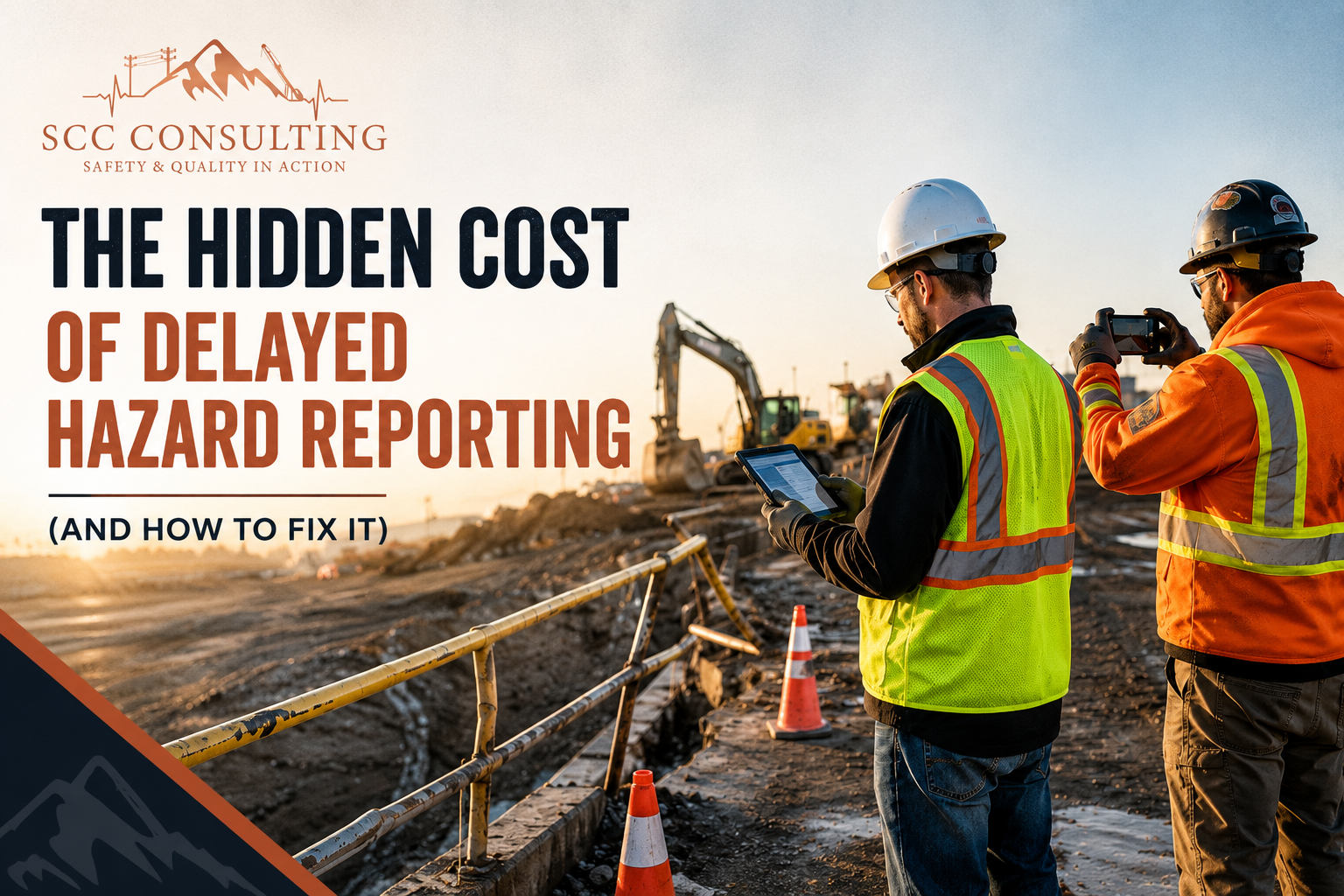
Every workplace hazard that goes unreported represents a missed opportunity to prevent an injury, equipment damage, or even a serious incident.
Whether it is a loose handrail, damaged extension cord, leaking hydraulic hose, or unsafe work practice, small hazards rarely stay small for long. When hazard reporting is delayed—or does not happen at all—the consequences can extend far beyond the original issue.
Effective workplace hazard reporting is not simply about meeting regulatory requirements. It is about identifying risks early, taking corrective action, and creating a workplace where everyone plays an active role in keeping each other safe.
The good news is that most barriers to hazard reporting can be removed with the right processes, leadership, and tools.
Why Workers Do Not Report Hazards
Most employees genuinely want a safe workplace, yet hazards often go unreported. Understanding why is the first step toward improving your safety culture.
Fear of Blame
If workers believe reporting a hazard will result in criticism, disciplinary action, or being viewed as a problem, they are far less likely to speak up.
Creating a blame-free reporting environment encourages honesty and allows organizations to address issues before they become incidents.
“Someone Else Will Report It”
It is surprisingly common for workers to assume someone else has already noticed the issue.
Unfortunately, when everyone assumes someone else will report the hazard, nobody does.
Time Pressures
Busy crews often prioritize production over paperwork.
If reporting a hazard means stopping work, finding the correct form, completing several pages, and tracking down a supervisor, many hazards may never be formally reported.
Complicated Reporting Processes
Lengthy paper forms, missing documents, or confusing reporting procedures discourage participation.
The easier the reporting process becomes, the more likely workers are to report hazards when they find them.
Lack of Feedback
Nothing discourages safety reporting faster than submitting a concern and never hearing what happened afterward.
When employees report hazards but receive no updates, they may begin to believe reporting does not make a difference. Closing the communication loop reinforces that every report matters.
When Near Misses Become Serious Incidents
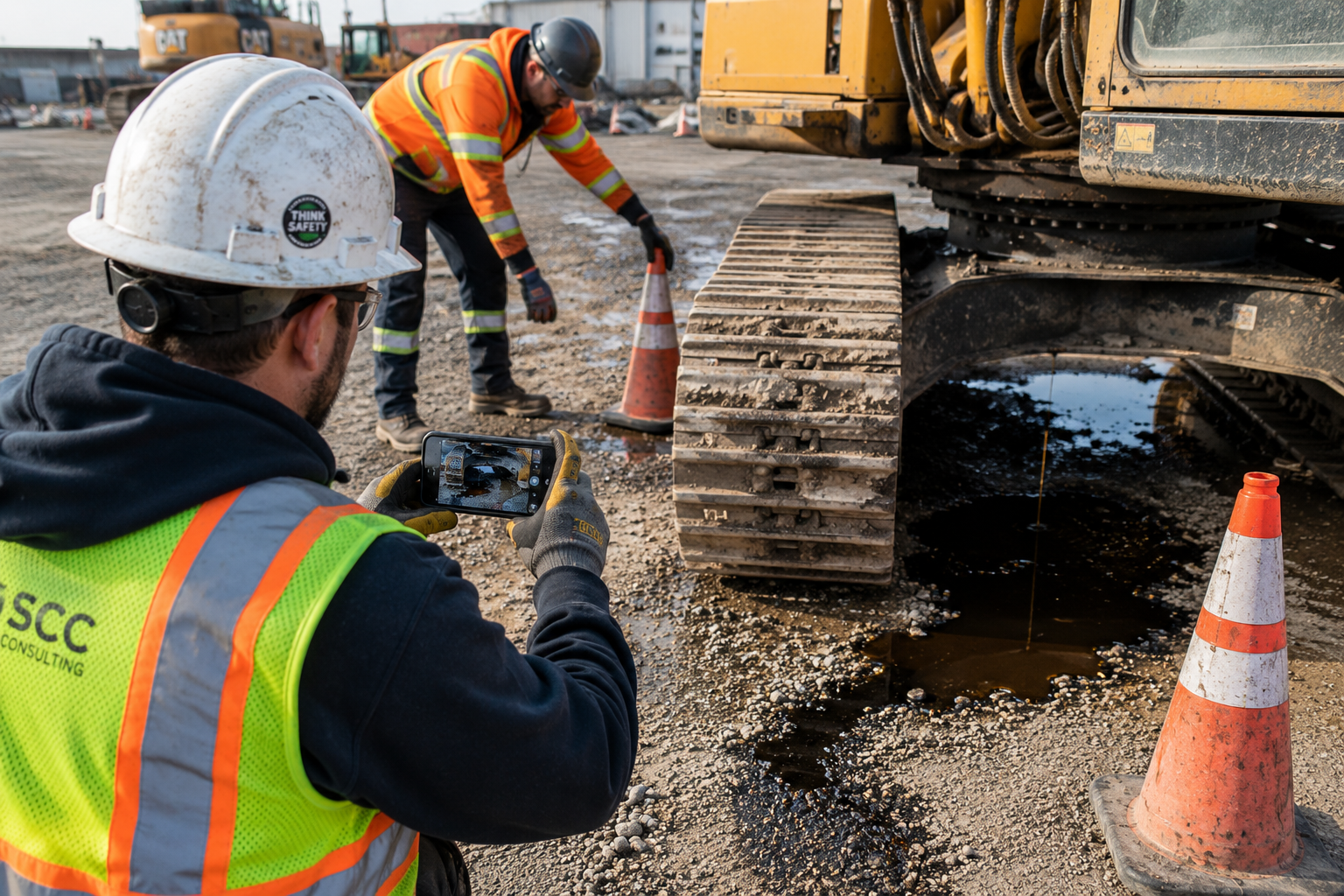
Many serious workplace incidents are preceded by warning signs.
A small oil spill that is not cleaned up can become a slip injury.
A damaged ladder that is not reported can lead to a fall.
A loose machine guard may eventually contribute to a serious injury.
These are common examples of why near miss reporting and early hazard identification are essential parts of an effective safety management system.
Every hazard reported before someone gets hurt represents a successful prevention—not simply another form completed.
Organizations that consistently review hazards and near misses are better positioned to identify root causes and prevent similar incidents from occurring in the future.
The Hidden Costs of Delayed Hazard Reporting
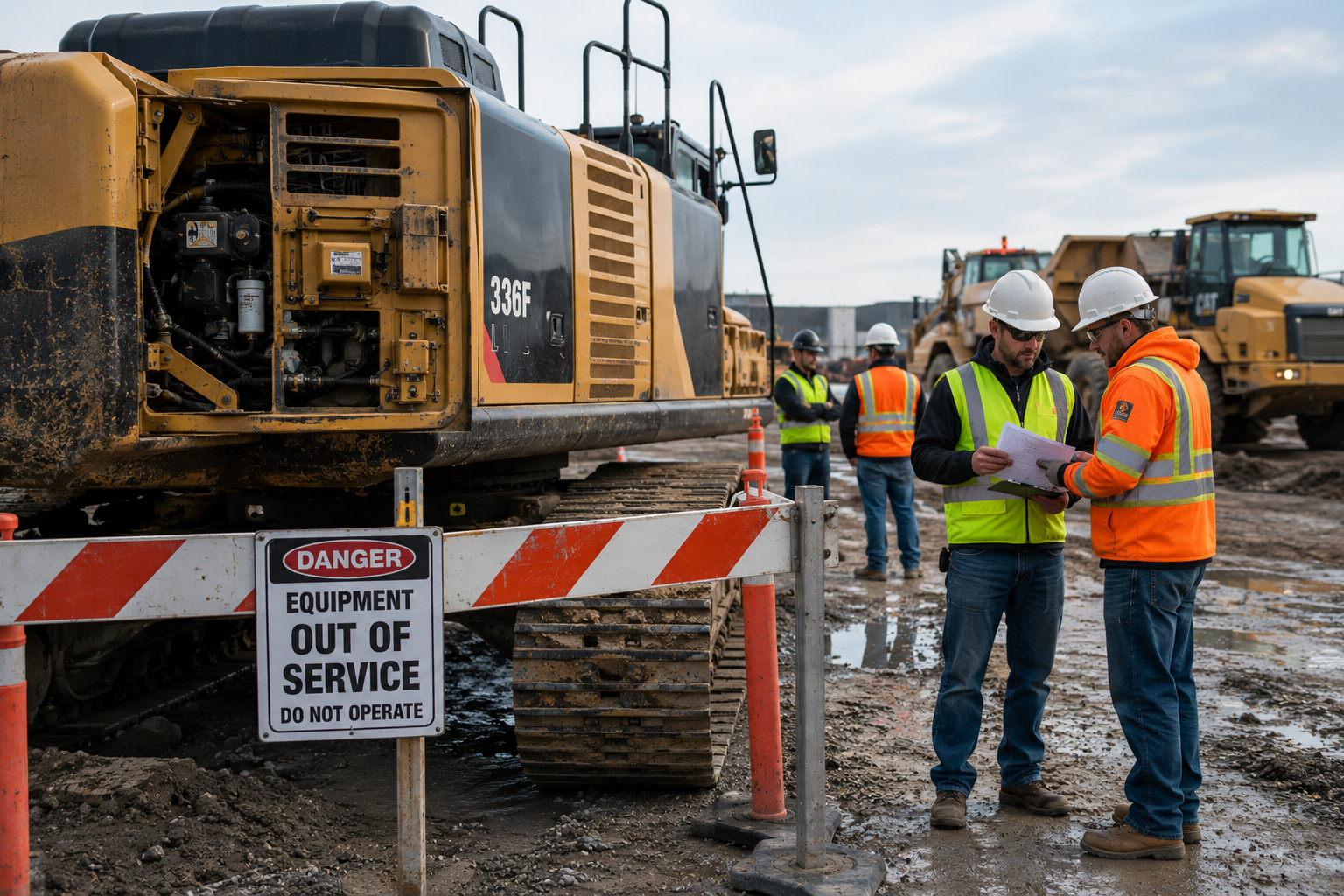
Many businesses focus primarily on the direct costs of workplace injuries. However, delayed safety reporting can create additional expenses that affect nearly every part of an organization.
Increased Workplace Injuries
Unresolved hazards expose workers to unnecessary risk every day they remain uncorrected.
Preventable injuries often begin with hazards that were noticed but never reported or properly addressed.
Equipment Damage
Small maintenance concerns can become major repairs when they are left unattended.
Early reporting gives maintenance teams an opportunity to inspect and correct problems before equipment fails or becomes unsafe to operate.
Production Delays
Unexpected incidents can interrupt operations while emergency response, investigations, repairs, or corrective actions are completed.
Preventing these disruptions often begins with timely hazard reporting.
WorkSafeBC Investigations
Following a workplace incident, WorkSafeBC may review hazard reports, inspections, corrective actions, training records, and safety procedures.
Documented evidence of proactive hazard management can help demonstrate that an organization takes workplace safety and due diligence seriously.
Higher Insurance and Claims Costs
Frequent workplace incidents may contribute to higher workers’ compensation costs, insurance expenses, lost productivity, and administrative work.
Investing in prevention is generally far less costly than responding after someone has been injured.
Reduced Employee Trust
When workers repeatedly report hazards without seeing action, their confidence in the safety program can decline.
Over time, employees may become less engaged, less likely to report future concerns, and less confident that leadership considers safety a genuine priority.
Building a Strong Hazard Reporting Culture
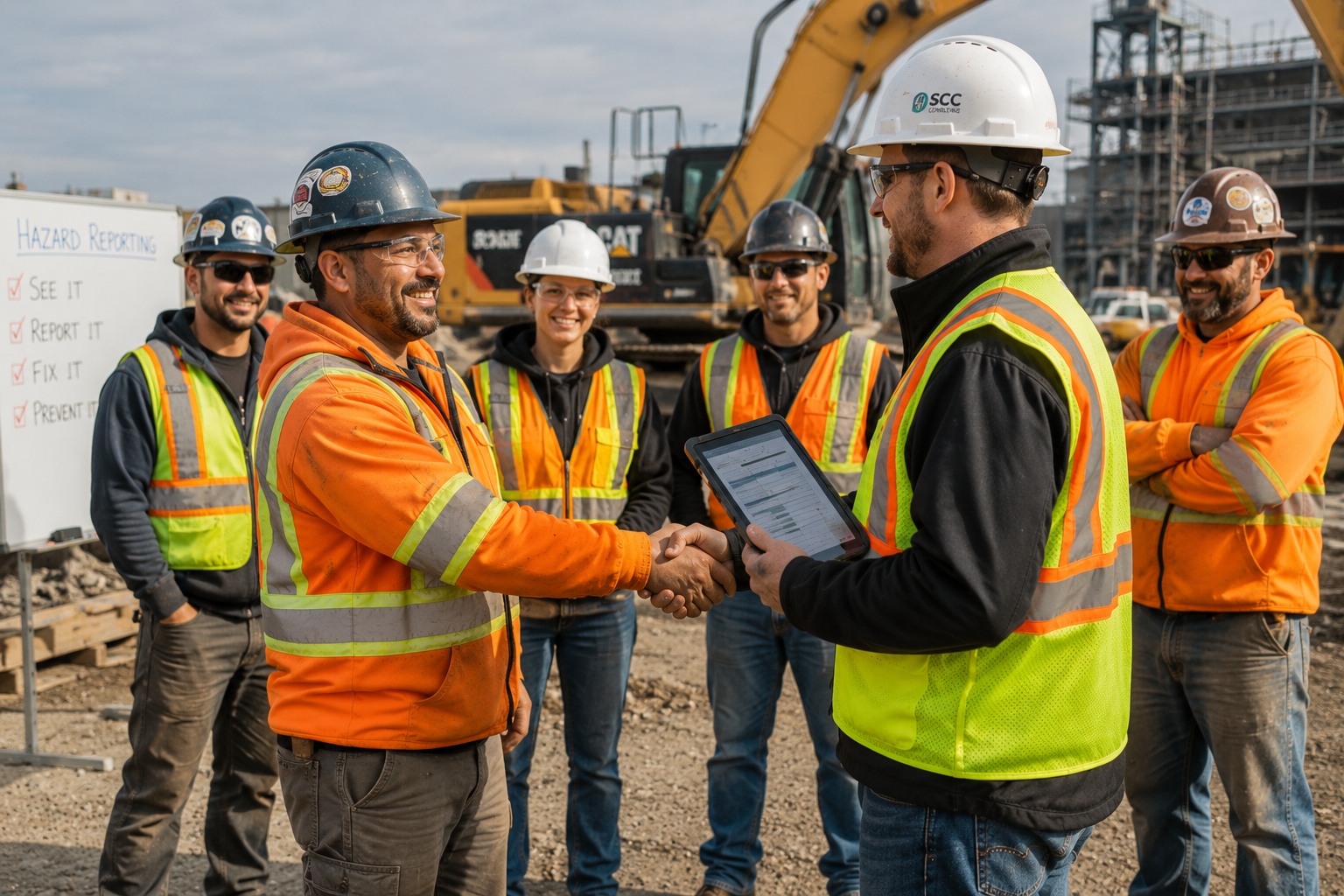
Improving workplace hazard reporting is not only about creating another policy. It requires a culture where identifying and reporting hazards becomes a normal part of everyday work.
Lead by Example
Supervisors and managers should actively identify and report hazards themselves while encouraging open communication from their teams.
Leadership behaviour sets the tone for the entire organization.
Make Reporting Simple
Workers should be able to report hazards quickly and easily from wherever they are working.
Reducing unnecessary administrative barriers can increase participation and help ensure important information reaches supervisors sooner.
Recognize Positive Reporting
Reporting hazards should be viewed as a contribution to workplace safety—not as creating extra work or causing trouble.
Recognizing employees who identify risks reinforces the positive behaviours that help prevent incidents.
Respond Quickly
Prompt follow-up demonstrates that reports are taken seriously.
Fast corrective action also reduces the amount of time workers remain exposed to an unresolved hazard.
Share Lessons Learned
Communicating how a reported hazard was resolved helps the entire team learn from the situation and may prevent similar issues elsewhere.
It also shows employees that their reports lead to meaningful improvements.
How Digital Hazard Reporting Improves Safety

One of the biggest barriers to hazard reporting is making the process too complicated.
Modern digital safety reporting systems allow workers to submit reports directly from the field using a mobile device. Photos, descriptions, locations, risk levels, and immediate corrective actions can be recorded within minutes, helping supervisors receive timely information and respond more quickly.
Digital reporting can also provide organizations with safety trends and data that would be difficult to identify using paper forms alone. By reviewing recurring hazards, locations, equipment concerns, and corrective actions, businesses can address root causes instead of waiting for incidents to occur.
At SCC Consulting, we help organizations implement practical digital safety solutions that simplify reporting while improving accountability.
As an authorized SiteApp Pro partner, SCC Consulting can assist with configuring mobile hazard-reporting workflows, digital forms, notifications, corrective-action tracking, and safety-management processes that reflect how teams actually work in the field.
The goal is not simply to replace paper. It is to make hazard reporting easier, faster, and more effective for everyone involved.

Do Not Wait for an Incident to Expose a Hazard
Strong safety cultures are not built by reacting to workplace incidents. They are built by identifying hazards and correcting unsafe conditions before someone gets hurt.
By simplifying hazard reporting, encouraging open communication, responding quickly, and using modern digital reporting tools, organizations can reduce incidents, strengthen compliance, and create safer workplaces for everyone.
Whether your organization is reviewing an existing reporting process, modernizing its safety documentation, or considering a digital reporting system, SCC Consulting can help.
Because the best time to report a hazard is before it becomes someone’s injury.
Ready to Improve Your Hazard Reporting Process?
Contact SCC Consulting to learn how we can help strengthen your safety management system, simplify workplace hazard reporting, and implement digital safety solutions that keep your team connected in the field.